
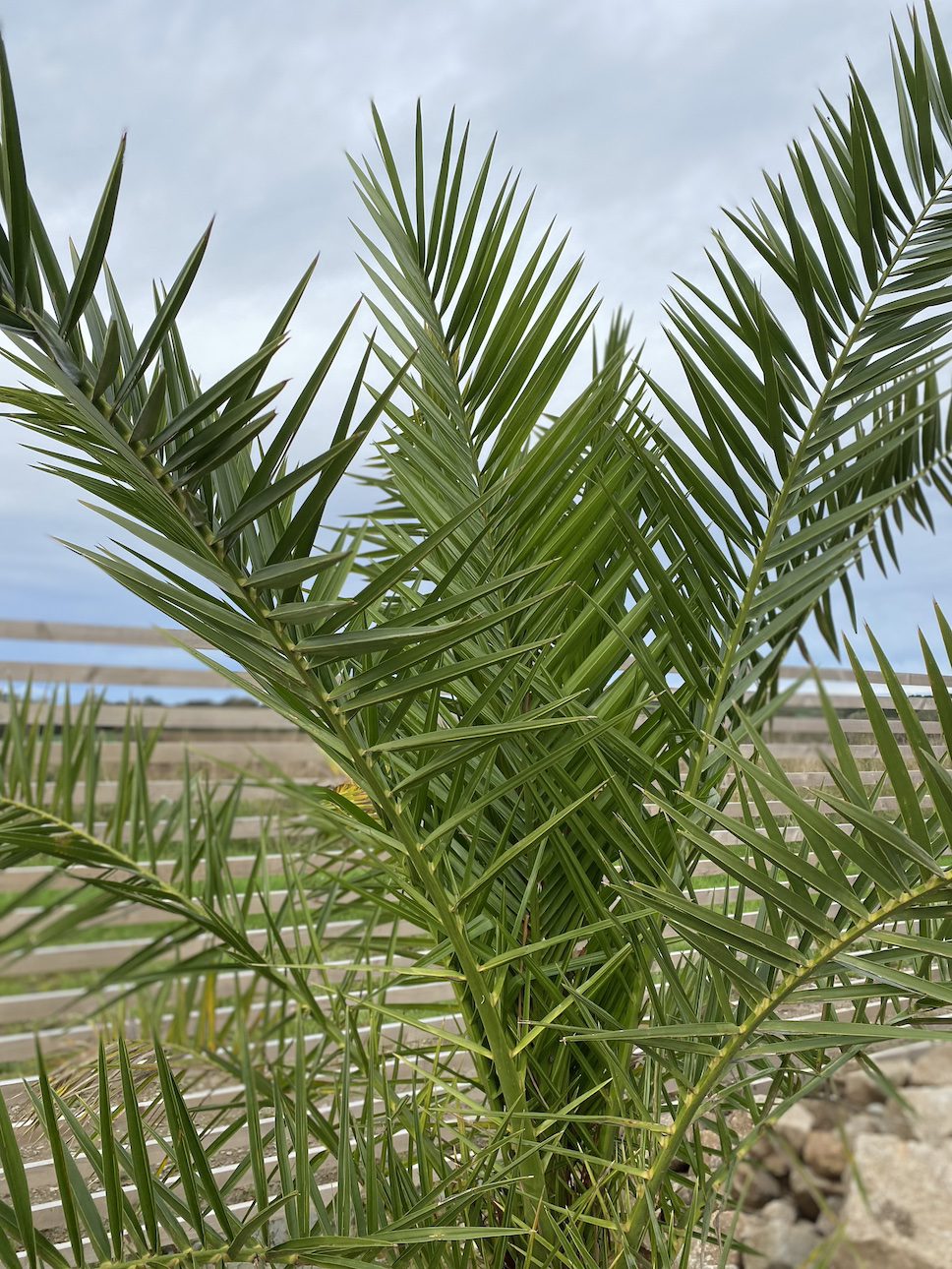
A Mediterranean garden in Britain is not a holiday postcard. Done well it is a calm, low-water space that happens to love our changing weather.
People come to us wanting the feeling of a garden they saw on holiday: warm gravel underfoot, silver foliage, the smell of something aromatic in the heat. The good news is that the look travels far better than you would think. The trick is to build it for Cornwall, not for Crete.
It starts on the ground. Gravel is the foundation of the whole style, and it does real work: it drains fast, it keeps roots dry over winter, and it reflects the low evening light that makes these gardens glow. A generous gravel surface is worth more than any single plant you could buy.
Three materials, used well
I keep the palette tight on purpose. Gravel, corten steel and stone will carry an entire garden if you let them. Corten weathers to a deep rust that flatters grey-blue foliage and looks better every year it sits out in the rain. Restraint reads as confidence; a crowded materials list reads as a garden centre.
Three materials, used well, will do more for a garden than fifteen chosen on a whim.
Mark · on materials
For planting, lean into silver, blue and bronze: agaves, sea hollies, euphorbias, lavender if your drainage is sharp, and grasses to soften the edges. Plant in drifts and let bare gravel show between them. The space between the plants is as important as the plants themselves.
Finally, design for the evening. These gardens are at their best in the last hour of light, when the gravel warms up and the low sun rakes across the foliage. Put a bench where it will catch that light, keep the planting low around it, and you have made an outdoor room you will actually use.